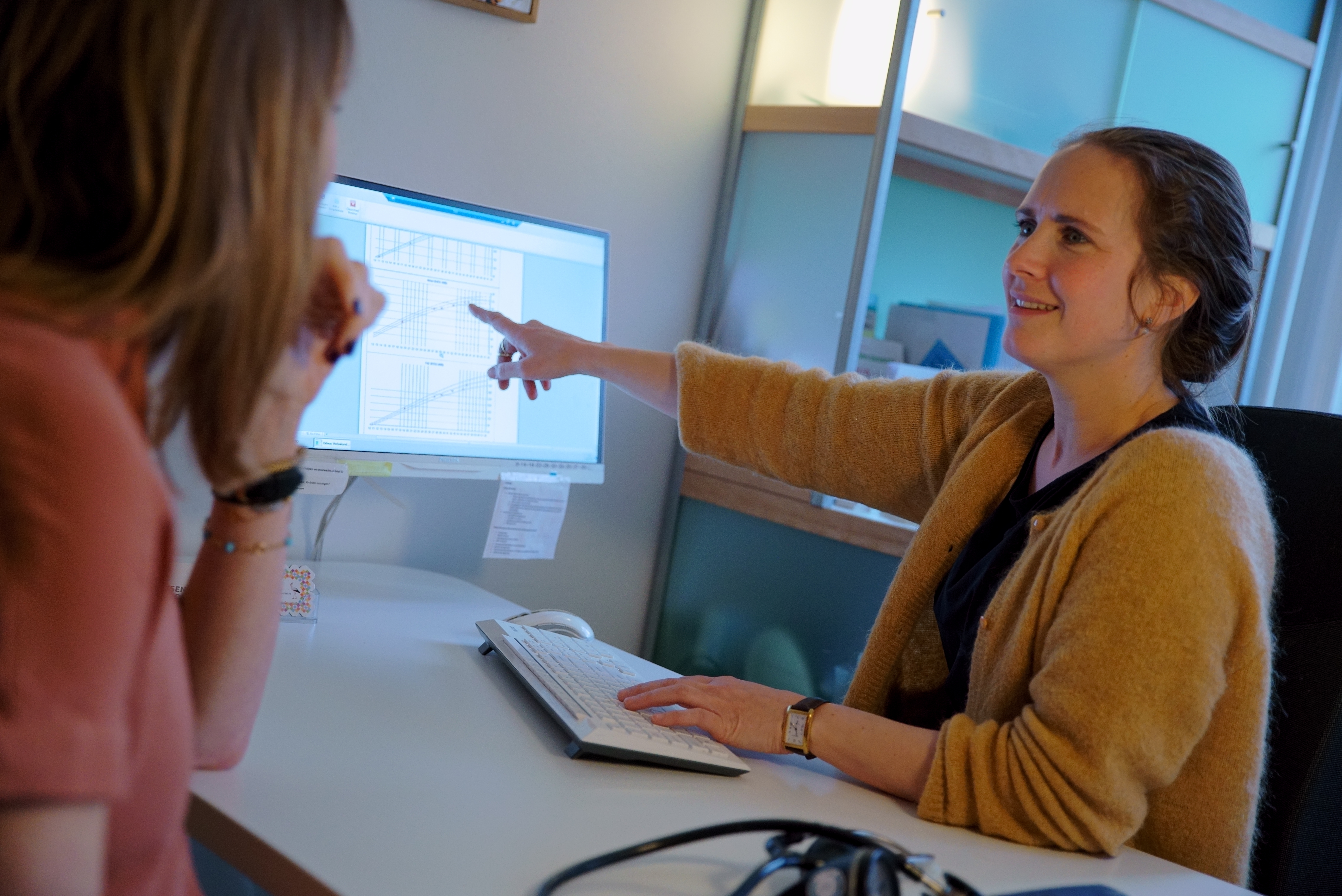
Are you trying to get pregnant? Then you may already notice there’s a lot of information coming your way — from nutrition tips to lifestyle advice. The internet is full of it. But how do you know what truly helps? And which things can you actually influence yourself? In this article, we’ll share what you can do to support your fertility. No promises, but solid, evidence-based advice you can start applying today.
You can always book a preconception consultation with us if you’d like personal guidance.
What affects fertility in women?
Getting pregnant only happens when several things align properly. The most important factors are:
- A (regular) ovulation
- Good quality eggs
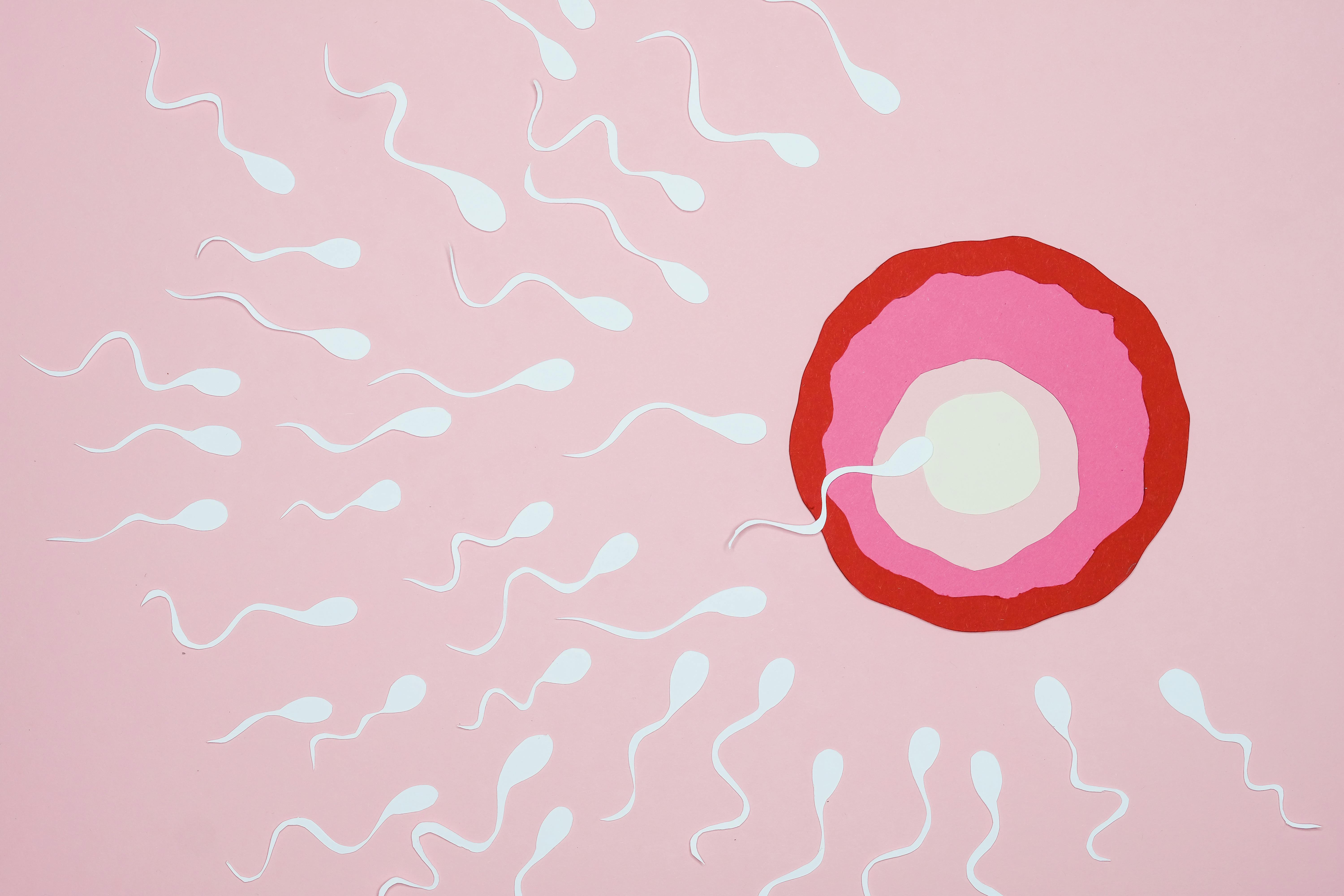
- Sperm being able to reach the egg
Some of these factors are beyond your control. But there are also things you can do to create the best possible conditions for conception.
What can you do yourself?
1. Eat (mostly) fresh and varied foods
Nutrition plays a key role in your hormonal balance and egg quality. We recommend:
- Fresh, seasonal foods
- Complex carbohydrates (such as brown rice, quinoa, wholegrain bread)
- Nuts, seeds, and dried fruit
- Less processed food — avoid ready-made meals
- Herbal or caffeine-free tea instead of coffee or black tea
- Avoid fatty meats and sugar spikes
Extra beneficial nutrients
Some nutrients are particularly helpful when you’re trying to conceive — like inositol, flavonoids, and alkaline foods. Here’s where to find them:
- Inositol (for healthy eggs): Supports the health of follicles — the tiny sacs in which eggs develop before ovulation. Foods rich in inositol include brown rice, beans, lentils, nuts, and seeds.
- Flavonoids (antioxidants): Help protect your body from harmful free radicals, which can contribute to aging and tissue damage. They’re found in blueberries, tomatoes, oranges, grapes, cherries, peaches, plums, and tomatoes.
- Alkaline foods (for healthy vaginal flora): Foods with a high alkaline content promote healthy vaginal secretions. These include asparagus, broccoli, carrots, celery, cabbage, cherries, mangoes, olives, bamboo shoots, peaches, cucumbers, onions, potatoes, and apples.
2. Quit smoking, alcohol, and drugs
It’s something we say often, but it really matters: these substances negatively affect fertility. Smoking can reduce your chance of getting pregnant by as much as 10–40% per cycle. Quitting isn’t easy — but your GP can support you. Read more about help with quitting at these dutch websites ikstopnu.nl and thuisarts.nl, or go to the English www.nhs.uk and smokefree.gov and www.who.int.
3. Be mindful of medication and work conditions
Some medications can affect fertility, such as certain treatments for rheumatism, epilepsy, or cancer. Exposure to harmful substances at work (like solvents or pesticides) can also play a role. If you’re unsure, check the Dutch websites lareb.nl or rivm.nl, or discuss your concerns with us.
4. Be aware of your age
It’s a sensitive but important topic: your supply of eggs decreases as you age, and fertility can drop more quickly after 38. You can’t change your age — but you can think about family planning. What are your reasons for postponing pregnancy, and what might argue for starting now? We’re happy to help you reflect and make decisions about your fertility and timing — whether you’re just starting to think about it or have been considering it for a while.
5. Manage stress
Research, including a great article in the Volkskrant, shows that stress can affect fertility and pregnancy. So you have every reason to take good care of yourself — and your future baby.
Here are some practical tips:
- Set boundaries at work. It’s a sign of professionalism and self-respect to communicate your limits early on.
- Make time to relax. Whether that’s a night out with friends or reading a book on the couch, create space for joy and recovery — things you might have less time for once the baby arrives.
- Take digital breaks. Turn off your email and phone at set times to give yourself a real pause.
- Try yoga, exercise, or meditation — all help lower cortisol levels.
- Keep a steady rhythm. Irregular working hours can reduce your chance of conception.
- Eat healthy, sleep well, and maintain a healthy weight.
- Take a holiday! A change of environment can work wonders for relaxation.
💬 Would you like to discuss your fertility and personal situation? Book a preconception consultation — in person or online, on your own or together. Whatever feels right for you.