If you already have a child, there’s an extra question during this pregnancy: what do we do with the oldest when labour starts? It’s a practical matter, but also one that can bring emotions and expectations. You want to be well prepared, but also make sure your child feels safe and included during such a special moment.
You don’t know exactly when it will start
Labour usually begins somewhere between the 37th and 42nd week of pregnancy. But whether that’s on a Tuesday morning or a Saturday night — you’ll never know in advance. That’s why it’s important to make a flexible plan, especially for the period when you’re “on alert.” Think about who can look after your child if things suddenly move quickly — for example, if your water breaks and you need to go to the hospital right away. If your childcare is located farther away, it’s helpful to have someone nearby as a backup, such as neighbours or friends who can temporarily step in until the babysitter arrives.
Daytime births can be tricky too. What if you go into labour on a day your child is normally with you? Or when your partner isn’t home? In these weeks, it’s smart to let the daycare or school know that someone else might pick up your child. That way, there’s no confusion when the moment comes.
And if it happens at night?
Many labours begin at night — while the rest of the family is asleep. If you’d like your child to stay asleep while you’re in labour, arrange for someone who can come to your house during the night. Some parents prefer that their child goes for a sleepover as soon as labour starts. In that case, it’s smart to pack an overnight bag in advance. During contractions, you won’t have the energy to gather things. Think of pyjamas, clean clothes, a cuddly toy, bottle, or pacifier. If not everything fits in the bag yet, leave a Post-it note on it with what still needs to be added at the last moment.
Who tells your child the baby is born?
It’s something you might not think of right away: who will tell your child that they now have a baby brother or sister? Sometimes it happens naturally — for instance, if your child is with a grandparent or babysitter who shares the news enthusiastically. But you may prefer to tell your child yourself. It’s a good idea to discuss this in advance, so your child hears the news in a way that feels right for your family — and so there’s no confusion or disappointment.
The first meeting with the baby
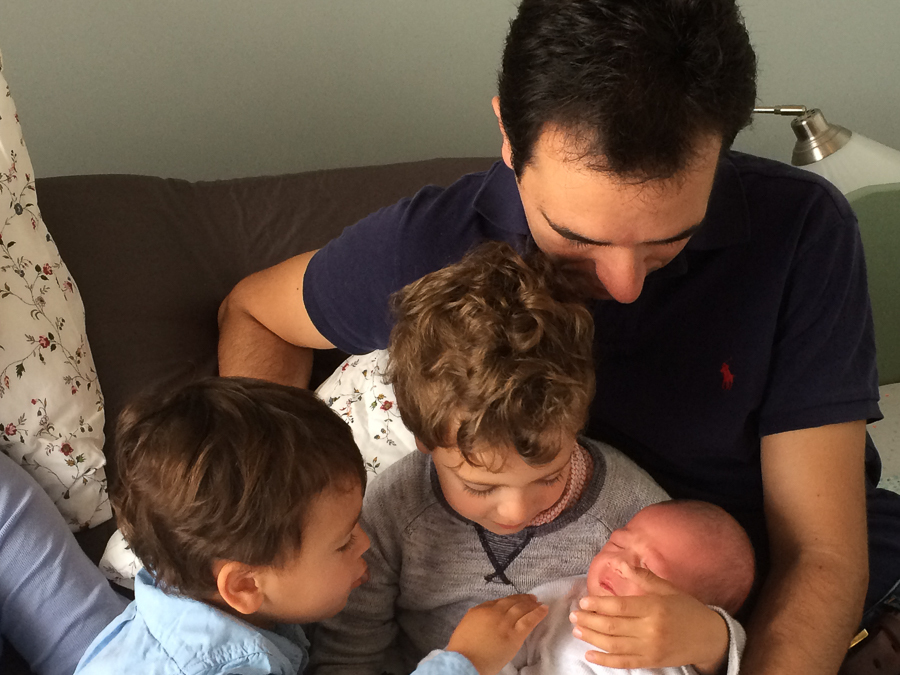
The introduction between your child and the new baby is often a moving moment. How and when you do this is entirely up to you. Some parents like to have a little quiet time together as a couple before the older child meets the baby. Others want the whole family to be together right away. You can also think about how you’d like it to happen — do you want your child to see the baby in the crib, or in your arms? A small gift — “from the baby” to the big brother or sister — can make the moment extra special.
Don’t feel pressured by what’s considered “normal.” Do what feels right for you and your family.
Can your child be present at the birth?
Some parents consider having their child present for part (or all) of the birth. That’s possible — but it’s not suitable for every child or parent. If you’re thinking about this, make sure to have a backup plan. What if your child finds it too overwhelming? Or if you do? Who will comfort and look after your child in that case? A familiar face nearby can make a big difference.
If you decide your child can be present, prepare them well. Explain what’s going to happen in an age-appropriate way. Let them know it might get intense, but that someone will always be there to support them.