Being pregnant doesn’t mean you have to stay home. A holiday – or babymoon – can be a wonderful way to enjoy time together. Whether you’re dreaming of a city break, a week by the sea, or a long trip abroad: all of it is possible, as long as you prepare well and take your changing body into account.
For most pregnant women, the best time to travel is between 14 and 30 weeks. In early pregnancy, you might still feel tired or nauseous, and later on it can become harder to sit or sleep comfortably. After 37 weeks, we advise against travelling far from home – your baby might decide to arrive, and we wouldn’t want to miss that birth!
Good preparation makes all the difference. Make sure you know what to expect, and take time to plan your destination and type of travel according to your pregnancy.
Medical preparation and insurance
If you’re travelling abroad, it’s important to check in advance how medical care is organised there. In some countries, good maternity care is not always guaranteed, and that can be stressful if something happens. Not sure about your destination? Feel free to discuss it with us. Don’t forget to check your health and travel insurance as well: make sure medical care during pregnancy abroad is covered. That way, you’ll avoid unpleasant surprises.
It’s wise to bring your pregnancy card when travelling. We can provide it at your last check-up before departure, and you’ll also have your information available anytime in your own app. It includes important details about your pregnancy, blood results, and more – useful if you need to see a doctor abroad. Also keep our phone number somewhere easily accessible.
In summary:
- Check in advance how healthcare works in your destination country.
- Travelling abroad? Bring your pregnancy record and our contact details.
- Make sure your health and travel insurance cover medical costs during pregnancy.
- Ask us for a fit-to-fly certificate if you’re planning to fly.
Staying healthy while travelling
Food, drinks, and hygiene
Many pregnant women experience constipation while travelling. Hot weather, different food, and less movement don’t help. If you know you’re prone to it, it can be useful to bring macrogol. This is a mild laxative that is safe to use during pregnancy.
In summary:
- Take good care of your digestion and immune system while travelling.
- Avoid tap water in countries where it’s unsafe – drink bottled water instead.
- Eat freshly prepared food and avoid buffets where food has been standing out for a long time.
- Wash your hands before eating and carry hand sanitiser.
- If you’re prone to constipation, bring macrogol (safe during pregnancy).
Sun and heat
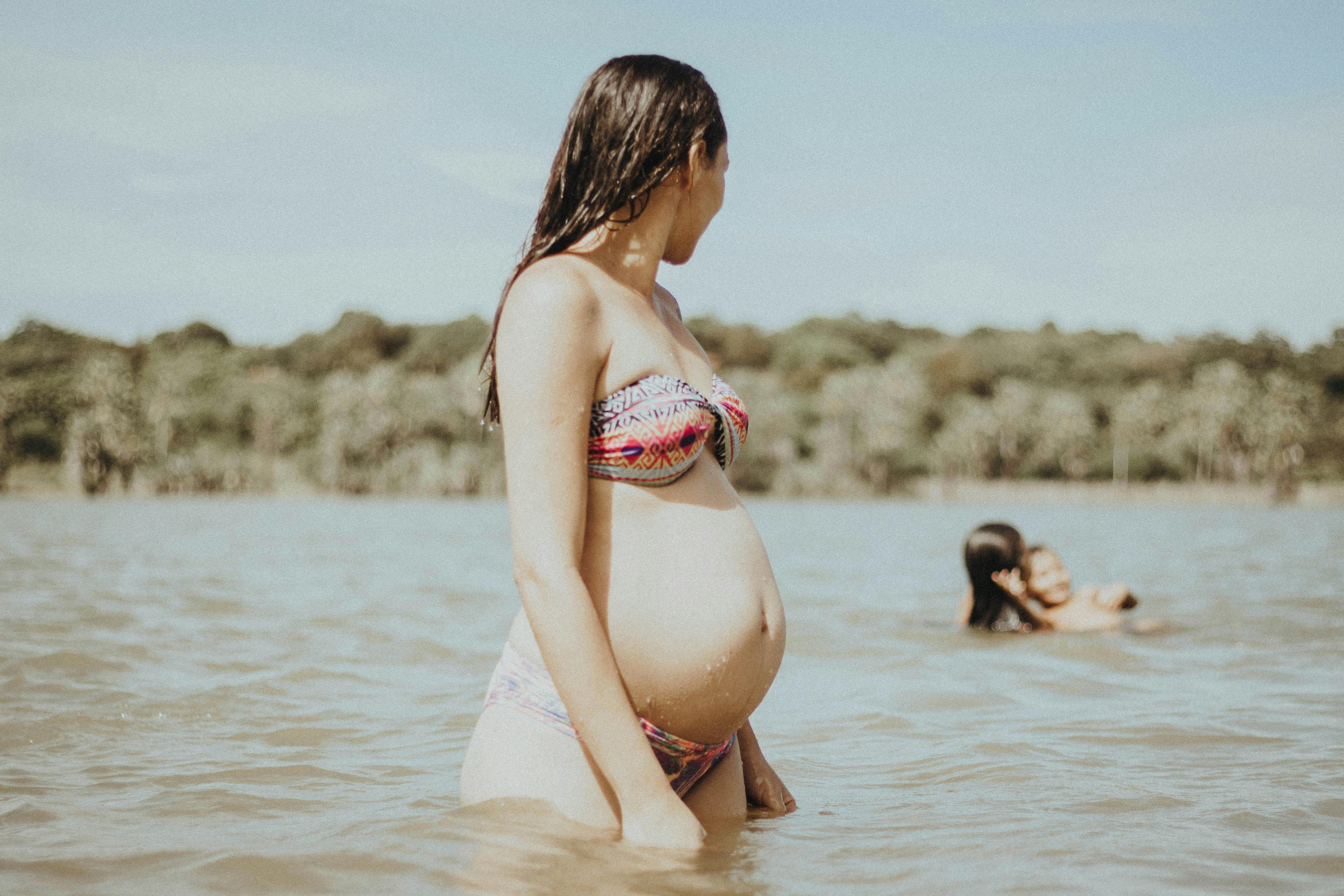
Be careful in the sun. Due to hormonal changes, your skin can react differently than usual. Some women develop pigmentation spots on their face – the so-called pregnancy mask – which can fade only slowly or sometimes remain. Always use sunscreen with a high SPF, avoid long exposure to direct sunlight, and consider wearing a hat or cap. The skin on your belly is extra sensitive, so feel free to cover it with a towel when lying on the beach.
In summary:
- Your skin may be more sensitive to sunlight due to pregnancy hormones.
- Use sunscreen with a high SPF regularly.
- Protect your face to prevent pigmentation (pregnancy mask).
- Cover your belly with a towel or stay under an umbrella.
- Drink plenty of water to prevent dehydration.
Travelling comfortably
By car
Going on a road trip? Try to take a break every two hours to stretch your legs. It’s not only good for your back and pelvis but also helps maintain healthy blood circulation. Sitting still for too long can increase the risk of thrombosis – a risk that’s already slightly higher during pregnancy.
In summary:
- Stop every two hours for a short walk.
- Stay hydrated and wear your seatbelt comfortably.
By plane
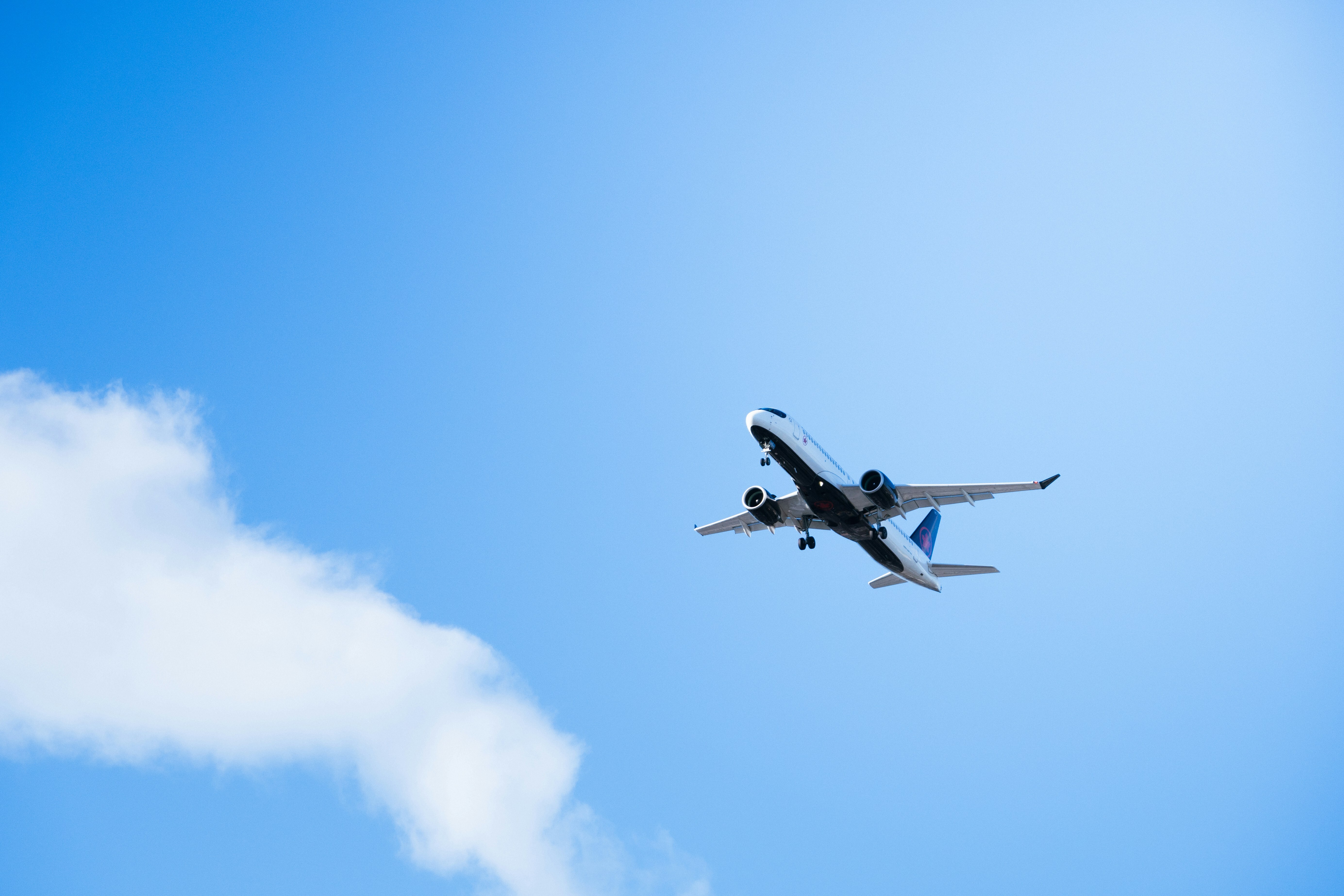
Flying while pregnant? No worries – flying is not dangerous for your baby. But just like driving, it’s important to move regularly. Walk through the aisle occasionally, wear comfortable clothes, and drink plenty of water. Most airlines have rules for pregnant passengers: usually you can fly up to 32 weeks without a certificate, and up to 36 or 37 weeks with a fit-to-fly certificate. We can provide this for you – just let us know in time.
At airports, you may pass through security gates or scanners. Most are safe during pregnancy, but feel free to mention that you’re pregnant. Staff can offer an alternative screening if you prefer.
In summary:
- Walking in the aisle helps prevent thrombosis.
- Check your airline’s policy on flying while pregnant.
- Ask us for a fit-to-fly certificate if you’re 28 weeks or further along.
- Avoid long-haul flights after 32–34 weeks.
In the mountains
Planning a mountain trip? As long as you stay below 2,500 metres, it’s generally safe. If you feel dizzy, get a headache, or notice shortness of breath, go to a lower altitude and rest. We don’t yet know exactly how high altitude affects pregnancy, so it’s best to be cautious.
In summary:
- Stay below 2,500 metres.
- If you feel dizzy, nauseous, or short of breath, go down and rest.
Long-distance and tropical destinations
If you’re travelling farther away, extra preparation is needed. Some destinations carry additional risks, such as areas with malaria or Zika. Both are infections that can be dangerous for your unborn baby. Malaria medication is often not suitable during pregnancy, so always consult a travel medicine specialist if you’re considering a high-risk area. These specialists – available through the GGD in the Netherlands – know which vaccinations or preventive measures are safe and necessary.
You can safely use mosquito repellent: DEET up to 30% is safe during pregnancy. It helps protect against dengue, chikungunya, and other mosquito-borne infections.
In summary:
- Consult a travel medicine specialist (via the GGD) before departure.
- Avoid destinations with Zika outbreaks or malaria risk.
- Use mosquito repellent with a maximum of 30% DEET.
- Avoid remote areas without proper medical facilities.
Finally: take it day by day
One of the best tips we can give you: don’t overplan. Your body is working hard, and especially in warm climates or unfamiliar environments, you might tire more quickly. Give yourself permission to rest, do nothing, or just enjoy a quiet moment with a book. Many women notice their energy levels fluctuate more during holidays – and that’s perfectly okay. This isn’t a race; it’s your special moment together before the big adventure begins.